 Sanguine Rust
Rust Performance Push: Network LOD, Poolable Clothing and FPS
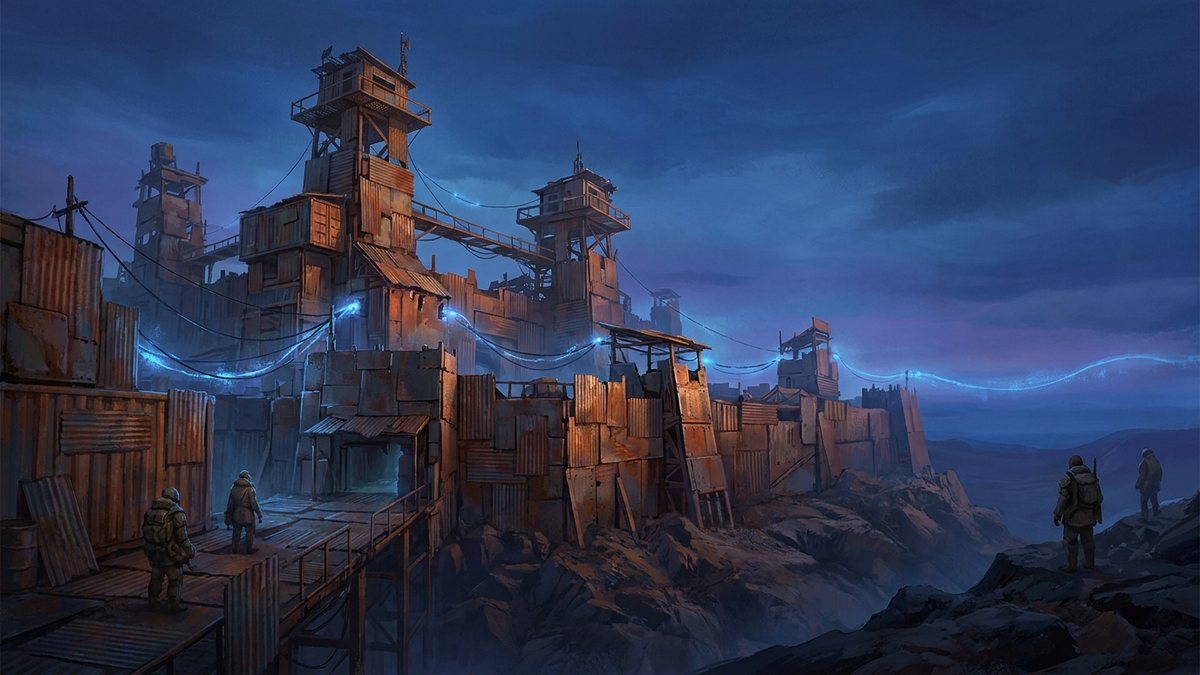
Facepunch is in the middle of a big performance pass, and the commits from October 19 to 22 are full of it. The headline items are a network LOD system that sends distant things less often, poolable clothing that cuts a real cost every time a dressed player comes into view, and a batch of pooling fixes for industrial and base parts. All of it points at the same goal: smoother play near large bases.
Most of this is still on development branches and is not live for players yet. Here is what the commits show and what it could mean for you.
Network LOD: less traffic from far away
"Network LOD" means the server updates far-off things less often than close ones. Facepunch has been building this across several commits. The first experimental version updates entities more or less often based on how close they are, and early tests showed around 75 percent less entity position traffic at long range.
From there it got steadier. One commit made the interpolation delay scale with distance instead of guessing it from packet timing, and another swapped the system from tick-based to time-based so it still works on low-fps servers. Then player support was added, with two controls: one to turn the whole thing off, on without globals, or on with globals, and one for how much players factor in, off, on only at far distances, or fully on.
For players, the payoff is less bandwidth and smoother networking on busy servers, especially where a lot is happening far from you. It is not live yet, so treat the 75 percent number as an early test, not a promise.
Poolable clothing: a cost paid on every dressed player
Every time a player wearing certain clothing comes into network range or changes outfit, the game builds that wearable. Facepunch made a long list of wearables poolable, which in most cases brings the cost of building one from over 1 millisecond to under 0.1 millisecond. The list covers jumpsuits, hazmat, gas masks, metal masks and chest armor, night vision, ninja suits and more.
On a server where players come and go constantly, that cost adds up. Making it ten times cheaper is a direct win on crowded islands.
Industrial and base pooling fixes
A long run of commits (the "io_optims" branch) made more base parts poolable and fixed wasted work:
- Storage adaptors are now poolable (commit), called out as the biggest spawn cost when a base full of them streams in. Planters (commit), beehives (commit), cooking workbenches, metal embrasures and flower pots (commit) were added too.
- Windmills now send small wind syncvars instead of full network updates.
- Industrial pipes were drawing invisible line renderers inside their own meshes. On a base with 223 pipes that was 0.05ms on the main thread and 0.5ms on workers every single frame, now fixed. A separate fix stopped IO entities from rebuilding pipe colliders on every network update.
If you run a lot of industrial, this is the stuff that was quietly eating frames.
Light culling fixes
Lights near big bases got attention too. Commits fixed deployable lights staying lit at any distance when reused from the pool, fixed code lock light quads drawing at any range, and cut a per-frame memory allocation on LOD components, dropping a big base stream-in from 417KB to 15KB of allocations.
When does this land?
No firm date. Performance work like this usually goes out in a monthly update once it is tested, and Rust's monthly updates land on the first Thursday of each month (see how Rust updates and forced wipes work). Several of these branches are not merged to main yet, so some could change. For other work in the commits, see our post on the new weapons in development.
FAQ
What is network LOD in Rust? It is a system that updates far-away entities less often than close ones, to cut bandwidth. Early tests showed around 75 percent less position traffic at long range.
Will Rust FPS get better near big bases? The commits target exactly that, with poolable clothing, poolable industrial parts and light culling fixes. It is not live yet.
Is this update out now? No. Most of it is on development branches with no release date.
What are poolable wearables? Clothing items reused from a pool instead of rebuilt each time, which cuts the cost of a player coming into range from over 1ms to under 0.1ms.
Sanguine Rust
Sanguine Rust is a PVE server with zombies, bosses and skill levels, so performance near big bases matters to us. We test every Rust build on a test island before moving our islands over. See what Sanguine Rust is about.
Source: Facepunch commits